How to fight the new fascism: choosing optimism over despair 🌱
This week, the Long View was back in the US – unexpectedly.
And that means my attention was fully captivated 24/7 by the spectacle of a democratically-elected government enacting policy after policy, aimed – fundamentally – at destroying the livelihood, homes and lives of people it was elected to serve.
Taking stock: Fascism in the White House 🫡
In just two months, Trump has shut down or curtailed the roles of institutions that protect people (like the Department of Education, the Environmental Protection Agency and the National Institutes of Health) and is well on his way to tanking the US economy.
Elon Musk, as head of the shadowy Department of Government Efficiency, which somehow has the power to email every federal employee in America, celebrated his rise to power with a Nazi salute, and has recently demanded access to private and sensitive data for millions and millions of Americans.
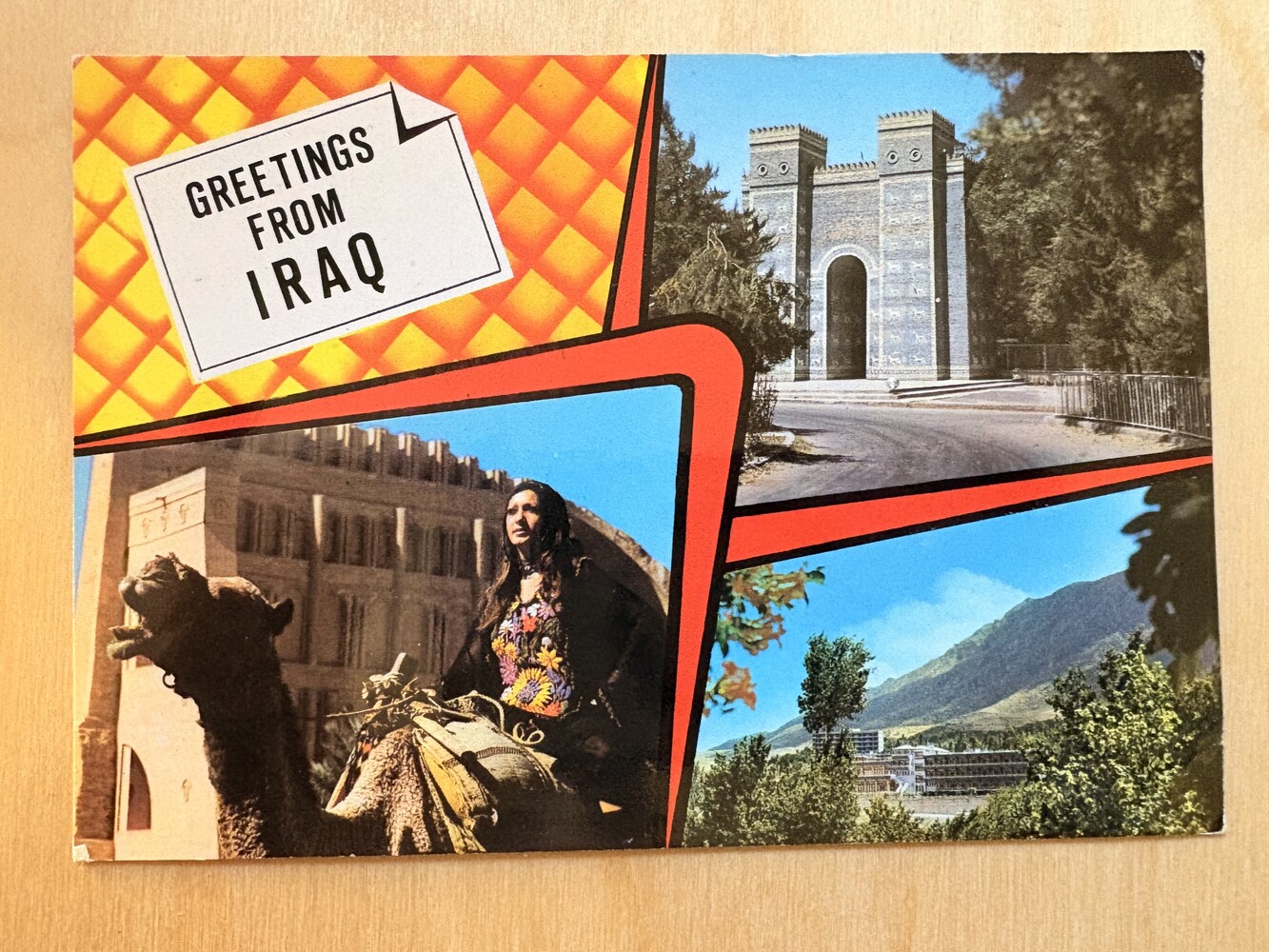
As someone who has lived for two years in Communist China in the late 1980s, and in Ba’athist Iraq in the early 1990s, I think I have a good gut feeling for what cruel and totalitarian governments look like – and what happens to people when those who hold power rule only in their own interests, robbing everyone else of their dignity and their futures – and when there are no means left to hold state authority to account.
It’s not good. Both the US and the UK are heading that way – but now, the US has been pushed off a cliff, and the only question left: who or what forces remain in play, with the power to slow or halt this fall?
The political, economic and social landscape is shifting, globally. Change is coming at a radical pace, so for those of us who remain committed to ensuring that all people can live their lives in equal safety and dignity, we’re going to need a radical shift in tactics to meet this challenge.
How?
📚History lessons: Learn from anti-fascist movements ✊🏽
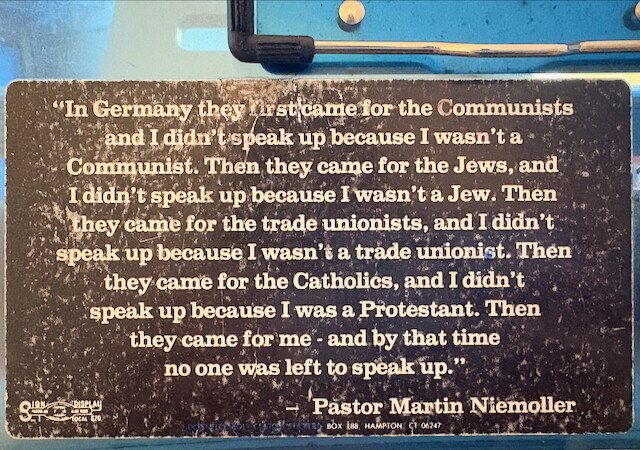
Last night, I had an interesting conversation with middle child. She said that her teacher had brought the poem that I have in my office to her Nat 5 History class, for discussion. (This poem, above, by Pastor Martin Niemoller)
Middle child was surprised to learn that some of her peers (aged 15) did not know that the Nazi regime built concentration camps, where they tortured and killed millions of people during WWII.
Her teacher had told them that concentration camps are not strictly part of their Nat 5 History curriculum – which directs students to focus only on the rise of the Nazi state – but that she felt it was important to also teach them what happened after the rise of the Nazi state.
I told middle child that she has an excellent secondary school history teacher. 📚
Any student of modern history can tell you that the rise of fascism today – especially the tactics – are drawn directly from historical and contemporary lessons about how authoritarian regimes steal and guard state power.
But we also know this thing: anti-fascists have won victories. Over time, popular uprisings have brought down fascist governments.
So how did they do it?
For inspiration, try this excellent article by Professor Bart Cammaerts at the London School of Economics “Five lessons from past anti-fascists struggles” – he urges us to:
connect 🤝 – dream 💭 – make cool art 🎨 – litigate ⚖️ – resist ✊🏽
Here’s a direct quote from the “taking action” part of his article:
- “Build transnational and cross-ideological coalitions of anti-fascist resistance within civil society and beyond: The anti-fascist movement not only bridged the geographical boundaries but also the ideological ones. Through the anti-fascist struggle, a strong chain of equivalence was constructed between socialists, communists, anarchists, liberals, Catholics, and freemasons.
- Develop democratic alternatives to the fascist discourse and its allure to young and working class people: As in the past, there is a material and socio-economic ground for the resurgence of fascism, and as in the last century an interregnum, during which the “old is dying but the new cannot be born” as of yet (dixit Antonio Gramsci), also characterises these times.
- Re-invigorate a culture and an aesthetic of anti-fascist resistance: Emotions and the affective dimension as well as a sophisticated publicity regime were central to the fascist appeal, which was in turn contested by a creative and exuberant culture and aesthetic of resistance (f.e. Bertold Brecht, John Heartfield, Walter Benjamin, André Malraux, and indeed George Orwell). This aesthetic and affect of resistance not only de-mystified and contested fascism but also celebrated freedom, equality and democratic alternatives; we need something similarly exhuberant and contestational today.
- Document, record and prepare future litigation: The fascist modus operandi is one of the flagrant abuses of human rights and the manifest flaunting of the rule of law and the separation of powers. History also teaches us, however, that fascist rule is never absolute nor eternal, and that there is always a moment of reckoning. Hence, anti-fascist resistance must also document, record, and gather evidence.
- Civil disobedience, disruption and sabotage: Finally, sabotage of fascist policies and disruption of their infiltration of state apparatuses was also crucial historically. The resistance against fascism was never just an affair of elites or artists, but also of workers, civil servants, farmers, and even (small) businesspeople, all circumventing and sabotaging fascist rule and policies. This is also something that will become crucial and necessary to develop and nurture again.”
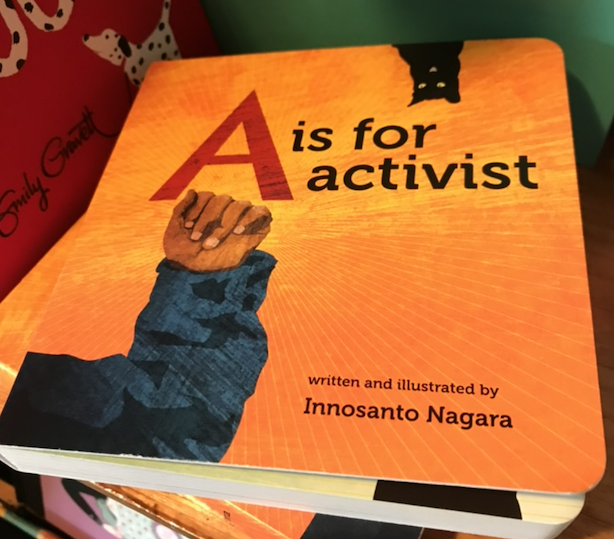
Lessons for the ❤️: Choosing optimism over despair
Finally, a reminder: we are not alone in this struggle.
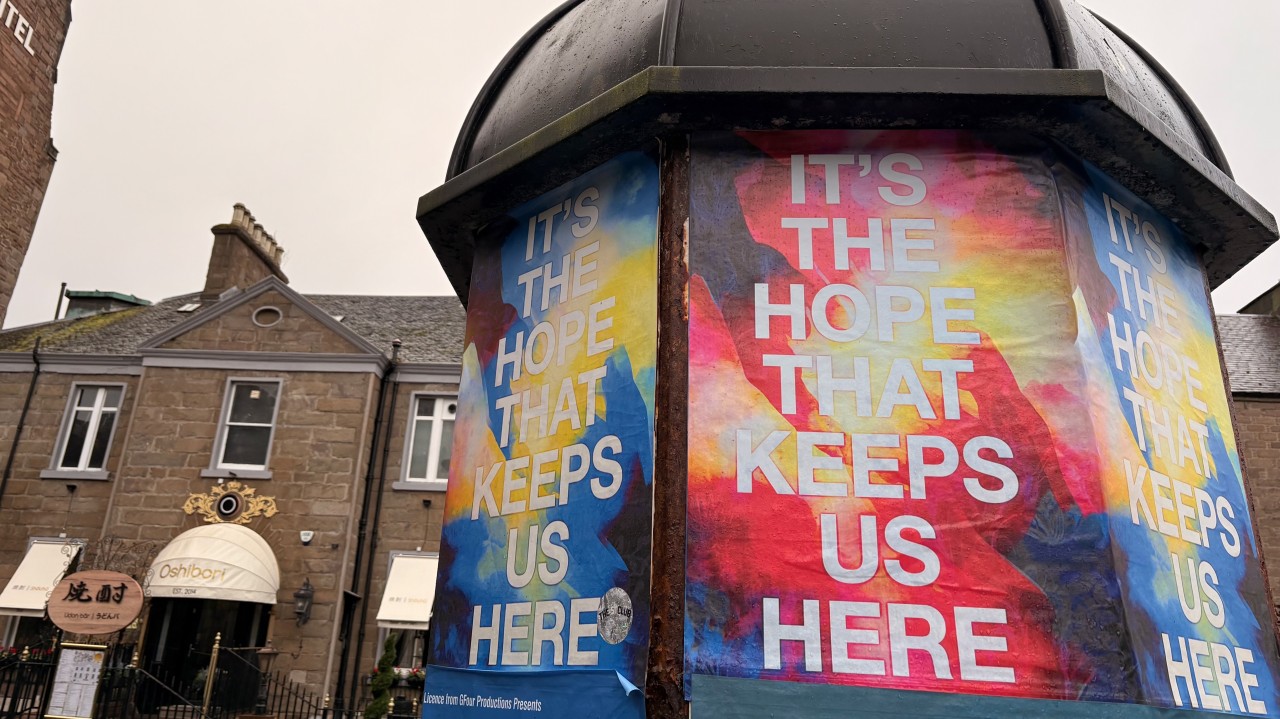
Artists, thinkers, dreamers and activists have already held the ground that we stand on now. They have done the thinking, sketched out a better future and even made some of that cool art – like Mark Titchner x BUILDHOLLYWOOD whose 2025 posters are featured in the photo at the top of this article.
We just need to find their work, and share it back to people who need to see, hear and hold this precious thing: hope 🪴
Thanks for reading The Long View again this week. I would love to hear about the thinking, art and activist resistance that you draw inspiration from, and that you think people should be hearing more about, especially now.
And…
Leaving you with this quote, from Noam Chomsky, in his interview “Why I choose optimism over despair“
We have two choices. We can be pessimistic, give up and help ensure that the worst will happen. Or we can be optimistic, grasp the opportunities that surely exist and maybe help make the world a better place. Not much of a choice.
First published on LinkedIn on 14 March 2025:
https://www.linkedin.com/pulse/how-fight-new-fascism-jen-ang-ras3e


