
How to embody the miracle of ordinary resistance ✨
Spring is on its way in Scotland, and for The Long View, it cannot come soon enough!
It has been a cold and bruising winter – with some light moments (a surprise wedding) but also some dark ones (an unexpected funeral).
This week, the Long View has been thinking about the miracle of ordinary resistance, and what means for individuals to publicly align their actions and words, with their privately held values and truths.
This is clearly on my mind and in the air because:
🚫 We are seeing a much more direct and naked use of the law to suppress expressions of identity and allyship – like Hungary banning LGBT+ Pride marches and an Idaho public school teacher being forced to remove a poster from her classroom that affirms: “Everyone is Welcome Here”.
👮✋ Using the law (to criminalise expressions of identity) and formal processes (like threatening the school teacher with loss of employment) raises the stakes for individual acts of defiance.
Hungarian lawmakers have reasonably (and correctly) calculated that there are a large number of people – LGBT+ or not – who would attend a Pride march if it is legal to do so, but not if doing so will ruin their careers, endanger their families and land them in jail for an indeterminate amount of time.
Similarly, we have to assume that many teachers in the United States – possibly a majority of teachers ordered to do so – have silently taken down posters that encourage inclusion, celebrate diversity and promote equality, in their classrooms.
Not because they do not believe in equality, diversity and inclusion, but because they feel they cannot afford to take a stand on this issue, when the US Department of Education has launched a website for public reporting called the “End DEI” portal.
🐁 But ordinary resistance matters – visible acts of joy, celebration of our unique identities and being role models for kindness, compassion and acceptance – are a potent way of directly opposing the erasure of our communities and a false vision of who we all are.
Here are some of my favourite recent examples of brave, beautiful ordinary resistance:
💃 This video by Lady Rampant, law student and Scottish drag queen legend on ‘ripping up the rule book’ and ‘making your own magic’
🎥 This movie: Jojo Rabbit (2019), a strangely gentle, sad and yet uplifting film about a little boy in the Hitler Youth who discovers his mother is hiding a Jewish girl in their home
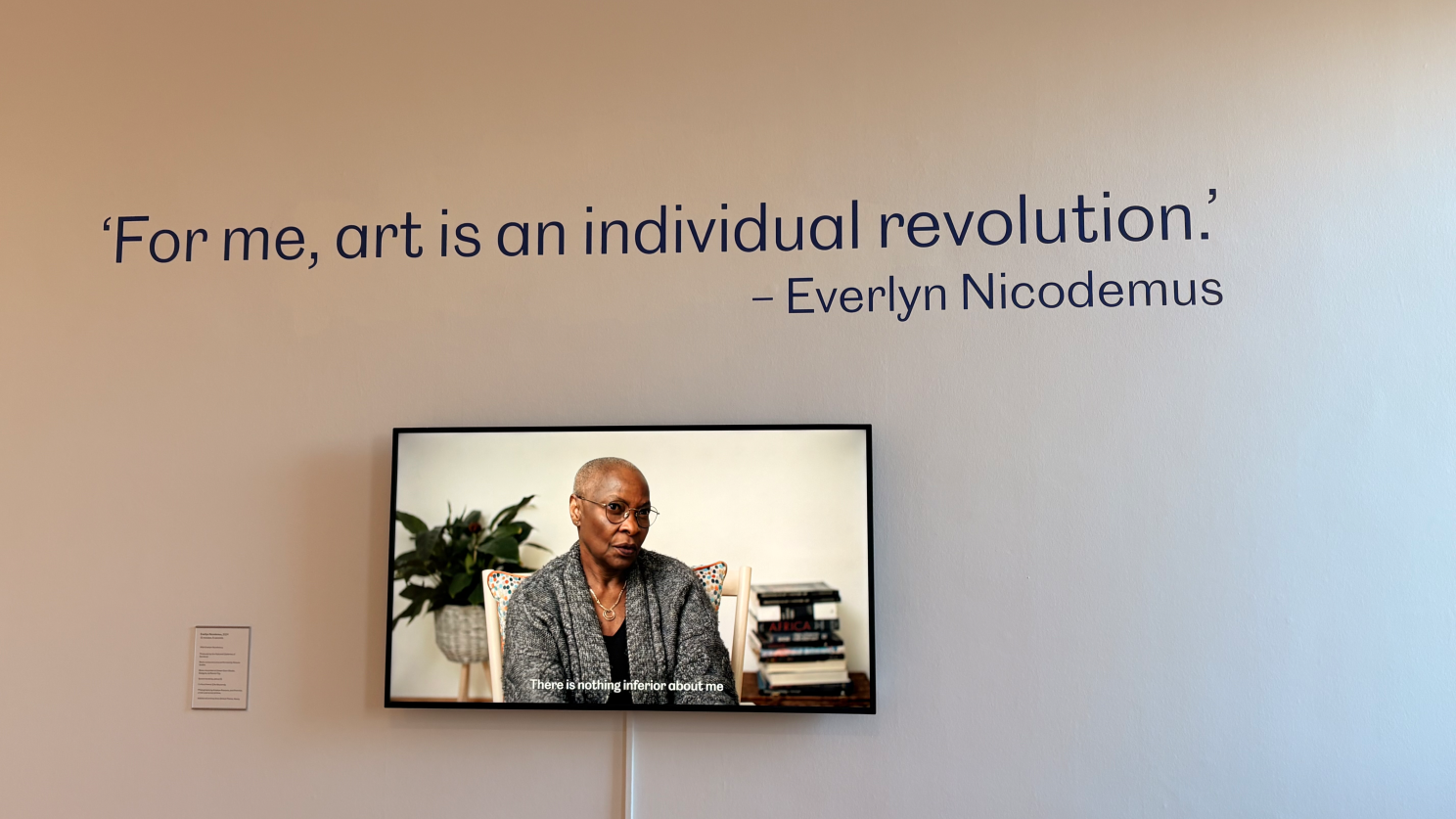
🧑🏾🎨This retrospective exhibition of the work of Everlyn Nicodemus – feminist, activist and artist – at the National Gallery of Modern Art in Edinburgh. Can’t make it to Edinburgh? Watch this short film instead.
The courage to find, celebrate and embody: you
Something that I have always found funny around “allyship” is that we often assume that we have to talk about others as being different and having different experiences to us, as a way of figuring out to what we can do to support friends and loved ones who face barriers because of difference.
But. Everyone is, essentially, different. And the feeling of being excluded, humiliated and harmed in some way for being different is definitely within the emotional bandwidth of everyone, on this earth.
So too is the potential to draw on that experience, in order to embody a way of living (yourself) and treating others better than you were treated.
I point this out not to minimise or trivialise harm – some people absolutely experience harm and exclusion on a completely different scale to other people.
The core message here is not: everyone suffers equally. Some people suffer a lot more.
But perhaps, only: everyone suffers.
That’s part of being human. But we can ease each other’s suffering. And that’s part of being human too.
(Maybe that is what we should be putting on posters for schoolrooms, next year😉)
A challenge, if you’re up to it 📝
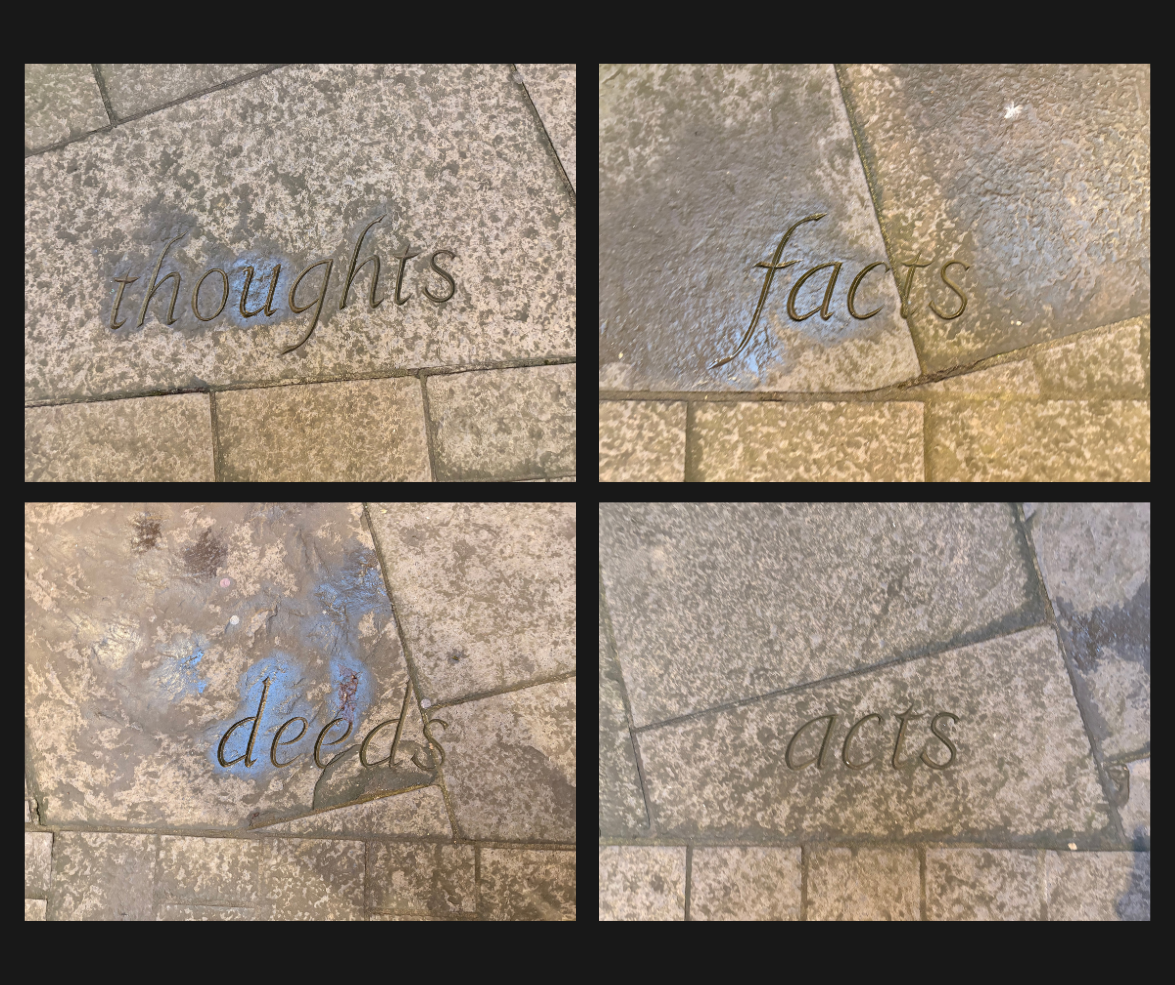
So here’s some homework, to help you find and embody your own ordinary resistance, inspired by these flagstones that reference the work of Scottish sociologist and geographer, Patrick Geddes.
If you stand in opposition to regressive movements that seek to ban the expression of diverse identities, suppress facts and truth, and narrow the ground for public discourse, you are going to be confronted, over the next five years with a range of opportunities to: act or not act, speak up or not speak up, do or not do.
(Feel like I’m channeling a little bit of Yoda here – to be fair, Yoda is my spirit animal)
So ask yourself these questions, and do it now – so you’re ahead of the curve when you meet that challenge:
🌟 Where will I draw the line? What can I risk, and what can’t I risk?
🌟 What are the principles, facts and lived realities that I am willing to defend, for myself? For others?
🌟 What lessons do people learn when they spend time with me, and near me?
🌟 Can I take meaningful action to give comfort and safety to others (privately), even if I cannot take a visible stand (publicly)?
Thanks again for reading The Long View, this week. I would love to hear your thoughts – if you’re up to it, on whether “ordinary resistance” makes sense to you in the current context, and/or your own favourite examples of people who embody “ordinary resistance” ✊
…
Also, and finally… next week will be the end of a whole year of writing The Long View. I’m pondering whether to continue – and if I do, at the same pace, at a different pace, or whether to try a shift to a whole different medium. Suggestions welcome!
First published on LinkedIn on 21 March 2025:
https://www.linkedin.com/pulse/how-embody-miracle-ordinary-resistance-jen-ang-zuxbe


