
How to speak truth to power 📢
I love people who speak their truth. Like, those people who embrace radical honesty – who you can count on to let you know what they think – I respect and admire that trait in people… even if I’m not always ready for what comes next 😂
This week, I feel some reflection on how we speak truth to power is timely as we ponder what to do when truth is publicly contested, undervalued and sometimes, intentionally suppressed – but the stakes for people who confront power remain high.
⚠️Power is real, and inescapable
You may not be able to see it, taste it, hear it, or touch it or feel it, but power – defined as the ability or capacity to influence people or things around you – is real.
And therefore, if you are speaking to someone who holds power over you, the first step is to recognise that you are engaging with a dynamic (and potentially unpredictable) force that poses real dangers to you.
Examples of places where people hold power over others include:
parent / child – supervisor / employee – teacher / student – influencer / follower – state / citizen
An argument in favour of the justice of a democratic system, is that voters should hold power over politicians, and therefore, the power dynamic should look like: “citizen / state.”
An inescapable truth is that in any group of people – ranging from family to society – some people will wield power over others. The more interesting questions that follow: how is this is done, with what authority, and in whose interest?
My point is: proceed with caution; power wielded against you can result in loss of friends, family, livelihood, home and possessions – and sometimes, life.

Power is always conditional ⚖️
I believe that all people are born equal in dignity and worth. For me, there is no intrinsic reason why any one person should have power over another person.
Therefore, when confronted with people in positions of power, I find it helpful to break down the reasons why they hold power, because that helps me think clearly about whether or not I should respect it.
Here are just a few examples:
🏛️Physical Force, Law (and the State): many unequal power relationships are backed by physical force – or the force of law, meaning, if you disobey the state, for example, you can expect to face violence: civil or criminal sanction for that action. That can include significant and life-changing punishments, including: fines or imprisonment, poverty and homelessness, exclusion and exile.
The law also distributes and reinforces power in private relationships: for example, the law is responsible for upholding the power of parents over their children (up to a certain age), and of teachers over students (where education is compulsory), and of supervisors over employees (for example, in enforcing terms of employment). This form of power comes from the threat of state sanction.
💰Money and Resources: people who have greater resources than others – in a capitalist world, this usually means money or the capacity to convert assets into money – wield power over others. In some places, being able to offer resources that people need, like clean water or food or safety from others, is the key to gaining power over others. This form of power comes from holding scarce resources and being able decide who gets a share of those resources, and who doesn’t.
💡Knowledge, Skills and Ideas: people who have knowledge, skills and ideas that we lack or find attractive can also hold power. Examples include: scientists and doctors, teachers and engineers, farmers and chefs, plumbers and electricians, faith leaders and influencers… as well as artists, writers and musicians.
Our regard for their skills, knowledge and ideas gives them a kind of social capital – power, in short. This form of power comes from belief of people around them.
For example, a scientist whose discoveries are refuted, or a faith leader without a following, or a writer or influencer with no audience, holds no power.
My point is, power is conditional and even if you are on the losing end of power imbalance, it is helpful to recognise that also means that conditional power is vulnerable, in some way.
Many great stories – ancient and modern – are about tackling and toppling unjust uses of conditional power.
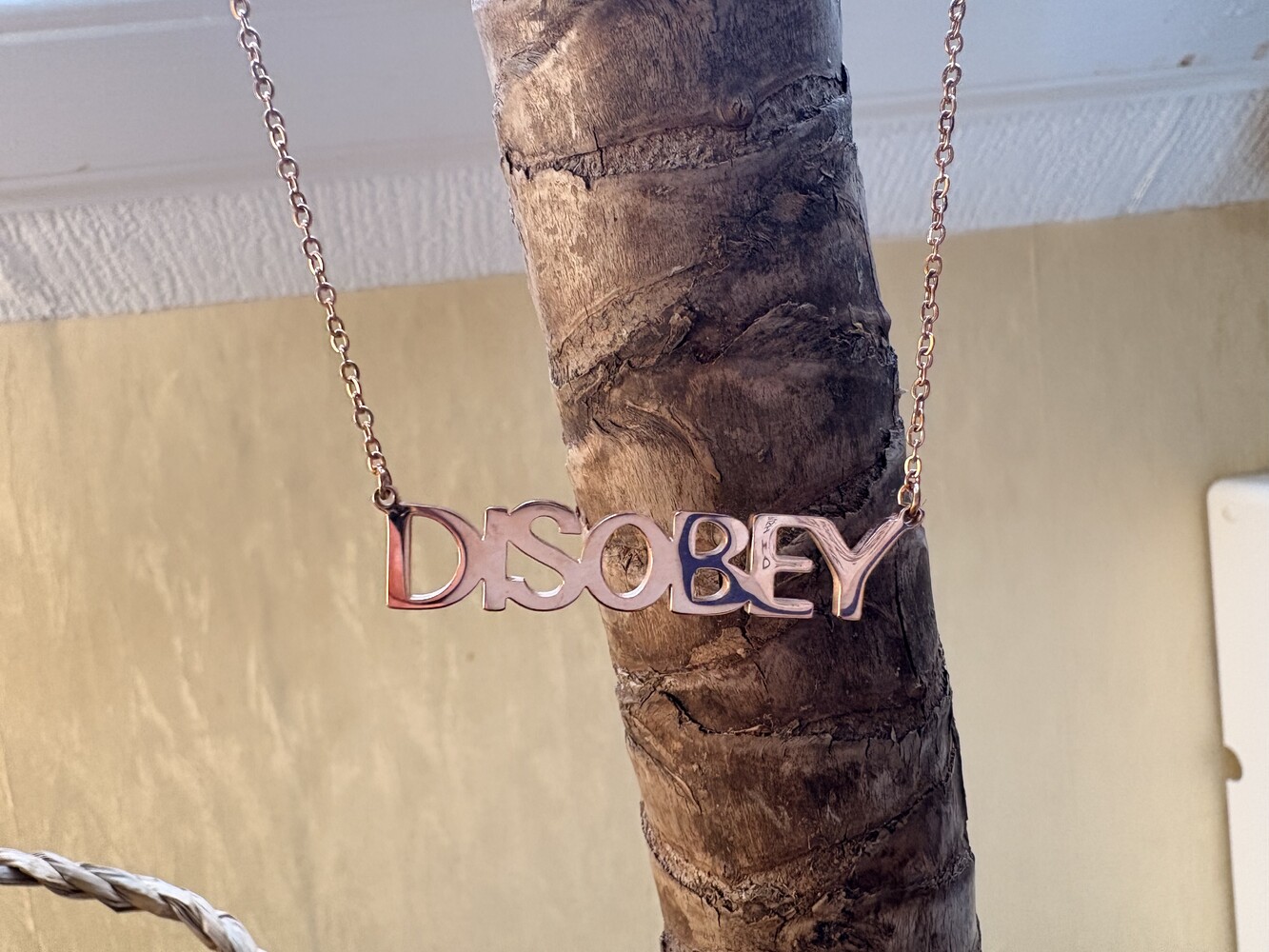
How to speak truth to power 📢
So, as promised, here are some suggestions for speaking truth to power:
👥Consider your audience, and your aims: We may choose to speak truth to power because we want to see a change in current practice or behaviour. It might be that we want our needs to be taken into account; it could be that we just want to be better understood – for our experiences to be acknowledged.
But take a good, hard look: will your actions lead to change? Can you reach the right audience, and if so, do they have the power (or patience, or maturity, or empathy) to deliver the outcome you’re looking for?
⚠️Remember that most people with power, seek to retain power: Not always, but usually. If you are looking for people with power, to share power, also consider realistically the levers for change – how is their power conditional?
🤝Identify the risks, and find your allies: Sometimes we choose to take action even when the stakes are high. Better to do that after a sound appraisal of the consequences, and building your own safety net / exit strategy / shelter (from the storm).
🪴Have your say, and find your peace: Do your thing, and remember that at the end of the day, you are doing this thing for you. You can’t control how your words will be received and there might be quite a lot of turmoil, distress and backlash to follow… but the important thing is that you did the thing. That’s your contribution, and where you need to find your peace.
…
There is probably a second article, that needs to be written: how to hear the truth, when other people speak it.
But for today, I need to close out here, because there’s lots for me to do before the day is done 😉
Thanks for reading The Long View again today, and leaving you with this sweet little poem, which I keep near the front door, so we see it every time when we home, and every day when we return again:
First published on LinkedIn on 21 February 2025:
https://www.linkedin.com/pulse/how-speak-truth-power-jen-ang-wcbye


